A imersão que transforma sua forma de pensar, para que você analise negócios como um profissional de Private Equity na prática.
Em vez de focar apenas em entrevistas ou conteúdo técnico solto, aqui você aprende como PE realmente decide: analisando empresas, entendendo risco, tese, estrutura e racional de investimento, exatamente como acontece no buy-side.
POR QUE ESTA IMERSÃO EXISTE
Private Equity não seleciona quem sabe teoria — seleciona quem pensa como investidor.
A barreira real de entrada não é Excel, valuation ou decorar frameworks. É a maturidade de leitura de negócio: enxergar estratégia, assimetria, alocação e tese.
A maioria nunca entra no mercado porque fica no nível conteúdo → não identidade.
O FinQ Private Equity Immersion foi criado justamente para isso: formar raciocínio de buy-side, antes do crachá.
O QUE É O FINQ PRIVATE EQUITY IMMERSION?
Uma experiência formativa estruturada para você aprender como PE analisa negócios na vida real, não em teoria.
Você passa por três pilares:
- Fundamentos aplicados ao buy-side
- Discussão de casos reais
- Execução prática (capstone project)
Tudo orientado por profissionais com experiência real em PE.
COMO VOCÊ VAI APRENDER (METODOLOGIA)
- 1. Base técnica + conceitual (gravada): Você internaliza a lógica que sustenta a cabeça de um investidor: frameworks, leitura estratégica, criação de tese e filtros de decisão.
- 2. Casos reais ao vivo: Não são “estudos acadêmicos” — são discussões estruturadas sobre empresas reais, dilemas reais, racional real. Você vê como PE pensa diante de cada cenário.
- Capstone Project (execução prática): Você assume o papel de analista: seleciona uma tese, estrutura a visão do investimento e apresenta como se estivesse dentro de um fundo.
E recebe templates e frameworks reais usados no dia a dia do buy-side, para aplicar o pensamento com método e não na tentativa-e-erro.
PARA QUEM É o FINQ PRIVATE EQUITY IMMERSION?
Este programa é para quem quer aprender PE na ótica do investidor — não do aluno:
- Universitários que desejam antecipar maturidade e jogar em outro nível
- Analistas e juniores que querem pensar como buy-side
- Gente do sell-side migrando para PE
- Quem já estuda, mas ainda não “conecta” pensamento estratégico com tese
Se o seu objetivo é entender como PE decide e executa, você está no lugar certo.
CONHEÇA TUDO SOBRE O PRIVATE EQUITY IMMERSION
O preparatório que vai tornar você um dos profissionais mais bem colocados do mercado financeiro.
Serão 5 módulos gravados e 5 encontros virtuais ao vivo de muito conteúdo aos domingos, com início dia 11/01/2026, das 9:30h às 13:00h.
– Explore the Private Equity Ecosystem: major participants, business models, and fund structures.
– Trace the fund lifecycle from fundraising to investment, management, and exit.
– Learn the incentive structure for Limited Partners (LPs) and General Partners (GPs).
– Track private equity’s performance versus public markets, with global and local statistics.
– Analyze private equity’s resilience during downturns, its illiquidity premium, and risk-reward profile.
– Compare Brazilian and global private equity returns.
– Discover strategies for proactive and reactive deal sourcing.
– Understand the market selection process.
– Learn the difference between proprietary and intermediated deals.
– Learn the internal investment approval process step-by-step
– Step through the M&A process from the perspective of sellers and buyers.
– Overview of the legal aspects.
– Commercial Due Diligence: market structure, customer analysis, growth levers.
– Financial Due Diligence: quality of earnings, normalization, working capital, deep dive analysis.
– Legal Due Diligence: corporate records, contracts, litigation, intellectual property, compliance.
– Tax & Labor Due Diligence: compliance, liabilities, optimization.
– Operational Due Diligence: process efficiency, cost structure, supply chain, IT and human capital.
– Apply scenario planning to stress-test investments.
– Perform comprehensive risk categorization.
– Integrate due diligence findings to inform valuation, deal structuring, and 100-day plannin
– Overview of Discounted Cash Flow (DCF) and why PE Professionals rarely use it.
– Comparable Companies Analysis.
– Precedent Transactions Analysis.
– Understand how private equity firms structure, finance, and evaluate leveraged buyouts (LBOs).
– Deep dive into how PE generate investment returns (return levers).
– Learn model components: sources and uses of funds, credit metrics, cash flow schedules, etc.
– Examine key assumptions to project equity returns and IRR sensitivity.
– Strategic planning: strategies of market expansion, M&A, product launches, etc.
– Financial engineering: capital structure optimization, debt management, dividend recapitalization.
– Talent and governance: building boards, performance monitoring, add-on acquisitions.
– Examine current trends in operational improvement.
– Understand all major exit avenues.
– Learn how PE firms prepare for exit, manage timing/market volatility, and construct equity stories.
– Case discussion: study and analyze real-life PE investments during the Live Classes.
– Capstone Project: simulate an LBO of a real company and build an Investment Committee Memo.
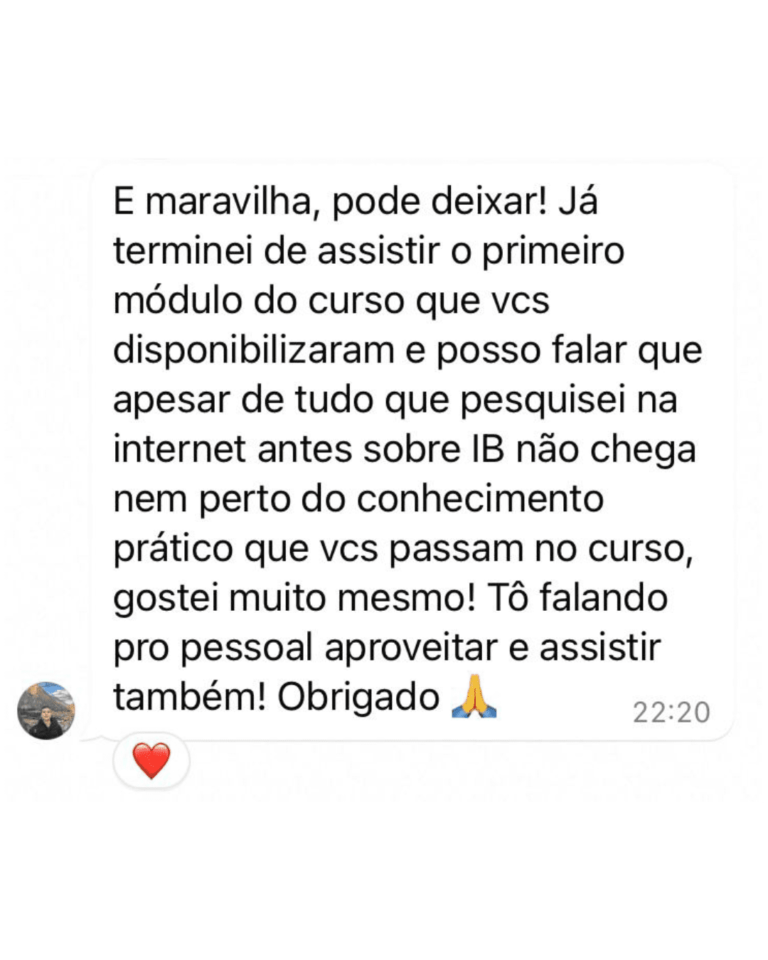
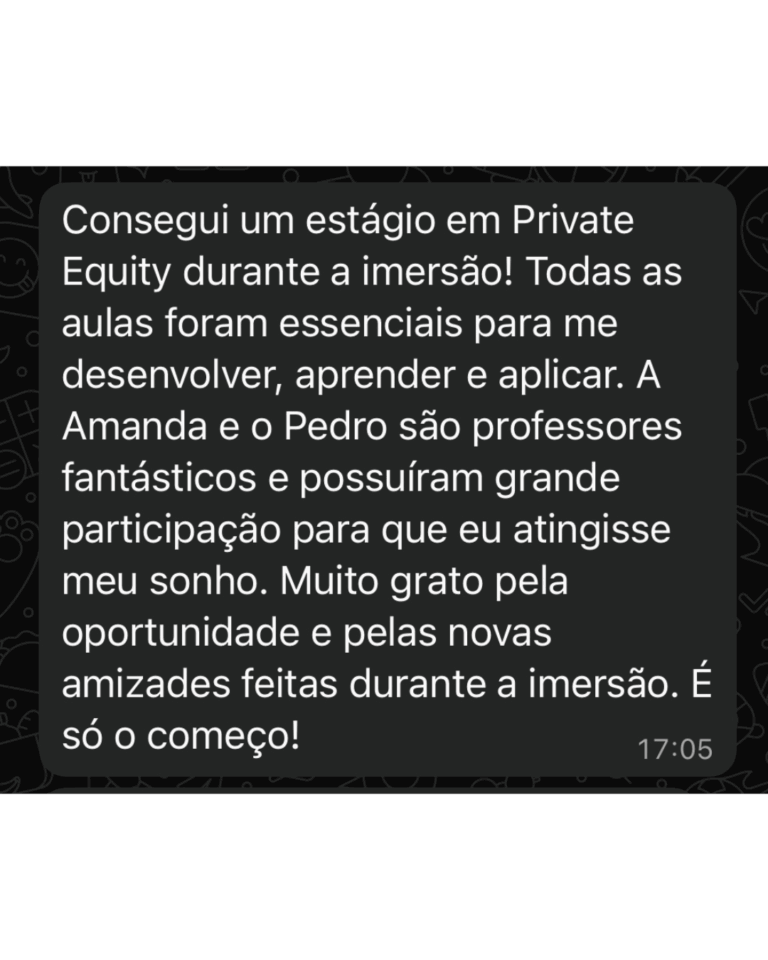
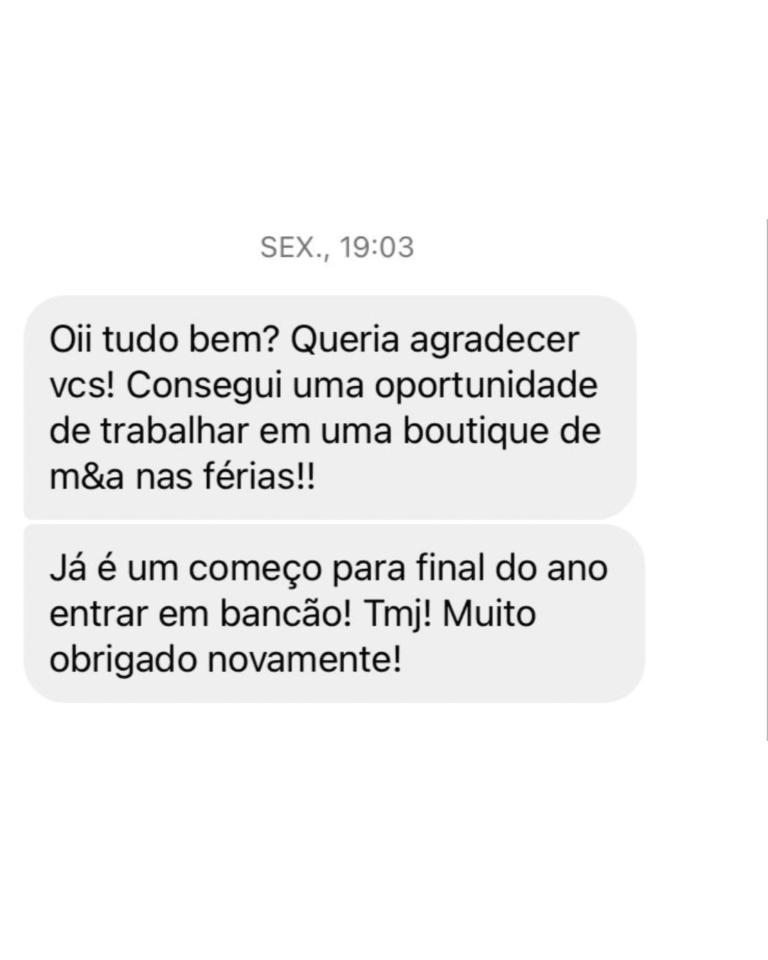
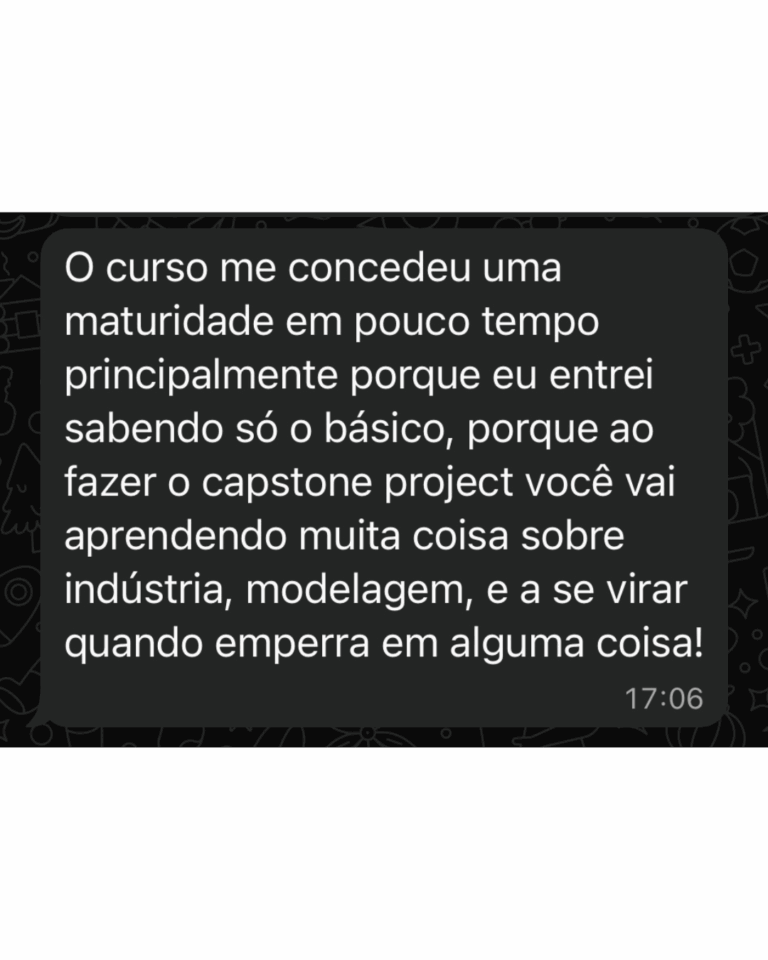
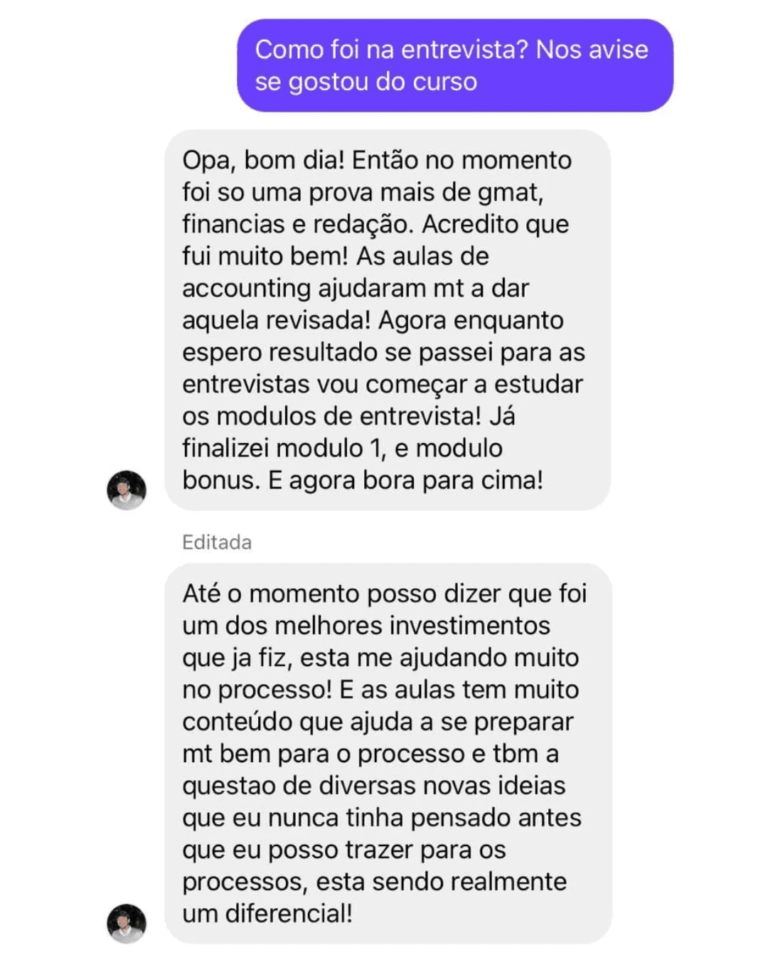
O QUE OS ALUNOS FALAM SOBRE

O QUE VOCÊ GANHA AO FINAL
Você sai da imersão com:
- Mentalidade de investidor
- Método para estruturar teses de investimento
- Clareza sobre risco, retorno e racional
- Capacidade de construir modelos de LBO
- Capacidade de discutir negócios com profundidade
- Posicionamento natural como perfil “pronto” para o buy-side
INVESTIMENTO NA IMERSÃO
Preço à vista por apenas
R$3.500,00
Ou 12x de R$361,98
FAÇA SUA INSCRIÇÃO
Você está a um passo de finalizar a sua inscrição no FinQ Private Equity Immersion
CONHEÇA A MENTORA
AMANDA SROUR...
Formada em Engenharia de Produção pela Universidade Federal do Paraná, desde cedo buscou a excelência.
Começou sua carreira em M&A e fez a transição para Private Equity na busca de gerar impacto na economia real. Atualmente integra o time de investimentos de um dos maiores fundos internacionais com foco em infraestrutura.
Vinda de fora do eixo central do mercado financeiro, enfrentou dificuldades no acesso a conhecimento para crescer na área.
Agora está motivada a ajudar outros profissionais a superarem esses obstáculos e alcançarem seus objetivos no setor.


CONHEÇA O MENTOR
PEDRO CURY...
Natural de Londrina - PR, é formado em Engenharia de Produção pela Universidade Federal do Paraná, e estudou International Business na Fontys Hogescholen em Eindhoven, Países Baixos.
Iniciou sua trajetória profissional em boutiques de M&A, e atualmente atua como Senior Associate na área de Private Equity de uma das maiores gestoras de ativos alternativos da América Latina, havendo acumulado mais de sete anos de carreira no mercado financeiro.
Durante a graduação, enfrentou os desafios comuns a muitos estudantes com pouca exposição ao mercado financeiro.
Hoje, dedica parte de seu tempo a ajudar outros jovens a se prepararem melhor para ingressar e se destacar nesse setor competitivo.
CONHEÇA O MENTOR
PEDRO CURY...
Natural de Londrina - PR, é formado em Engenharia de Produção pela Universidade Federal do Paraná, e estudou International Business na Fontys Hogescholen em Eindhoven, Países Baixos.
Iniciou sua trajetória profissional em boutiques de M&A, e atualmente atua como Senior Associate na área de Private Equity de uma das maiores gestoras de ativos alternativos da América Latina, havendo acumulado mais de sete anos de carreira no mercado financeiro.
Durante a graduação, enfrentou os desafios comuns a muitos estudantes com pouca exposição ao mercado financeiro.
Hoje, dedica parte de seu tempo a ajudar outros jovens a se prepararem melhor para ingressar e se destacar nesse setor competitivo.
PREPARE-SE PARA O PRÓXIMO NÍVEL
Se você quer aprender Private Equity “por dentro” pela lógica do investidor e não apenas como conteúdo, essa é a forma mais direta e eficiente para acelerar sua maturidade profissional.
O FinQ Private Equity Immersion não treina para a prova. Ele forma cabeças que o mercado reconhece como prontas.